When Should You Seal Your Pavers in Florida? (And When Is It Too Late?)
You spent real money on that paver driveway or pool deck. A year or two of Florida sun and rain later, the color looks washed out, weeds are pushing through the joints, and a black film is creeping across the shaded sections. At that point most Palm Coast homeowners want to know two things: will sealing bring it back, and did they wait too long?
The Right Time to Seal
New pavers should be sealed within the first year of installation, after 30 to 60 days of curing. That window lets the pavers release efflorescence, the white chalky residue that surfaces on new concrete. Sealing before it clears traps it underneath, and it stays visible permanently.
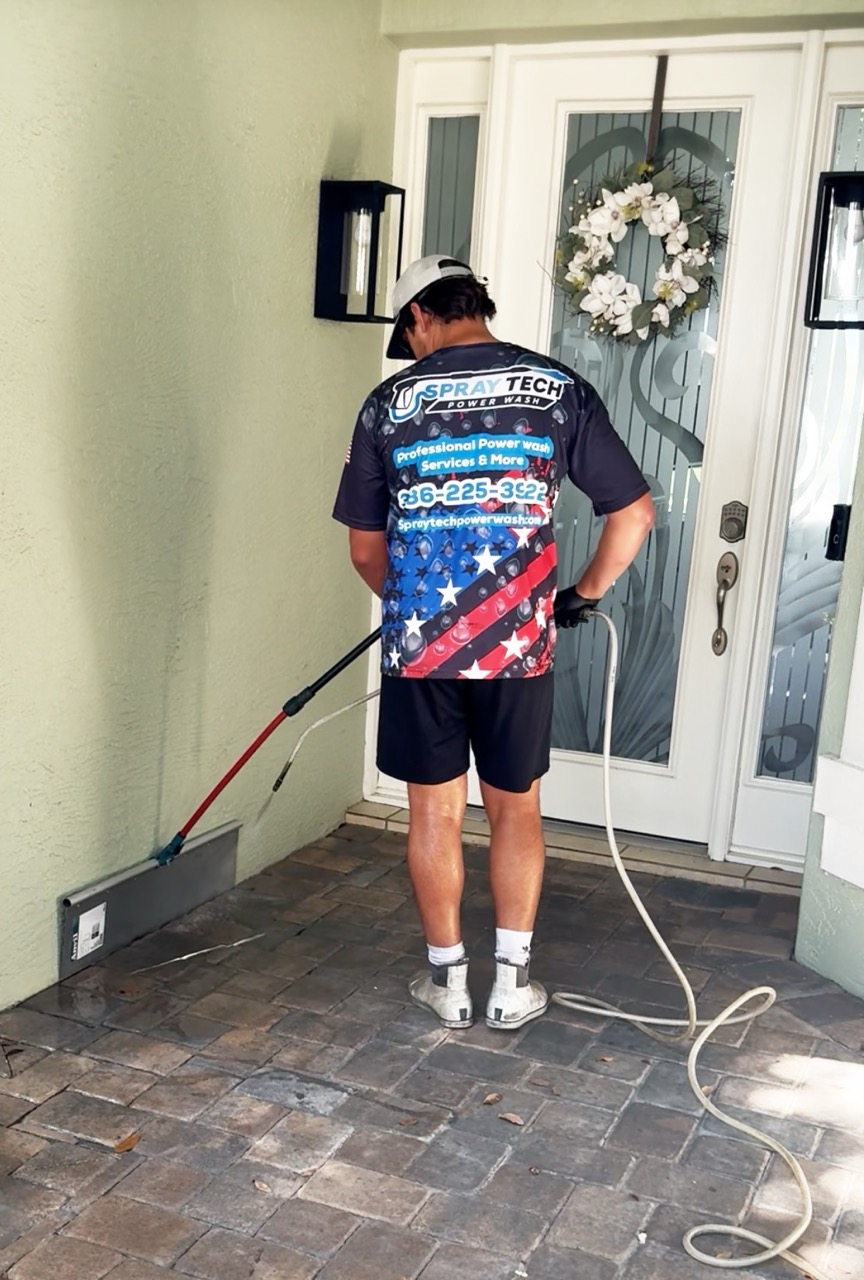
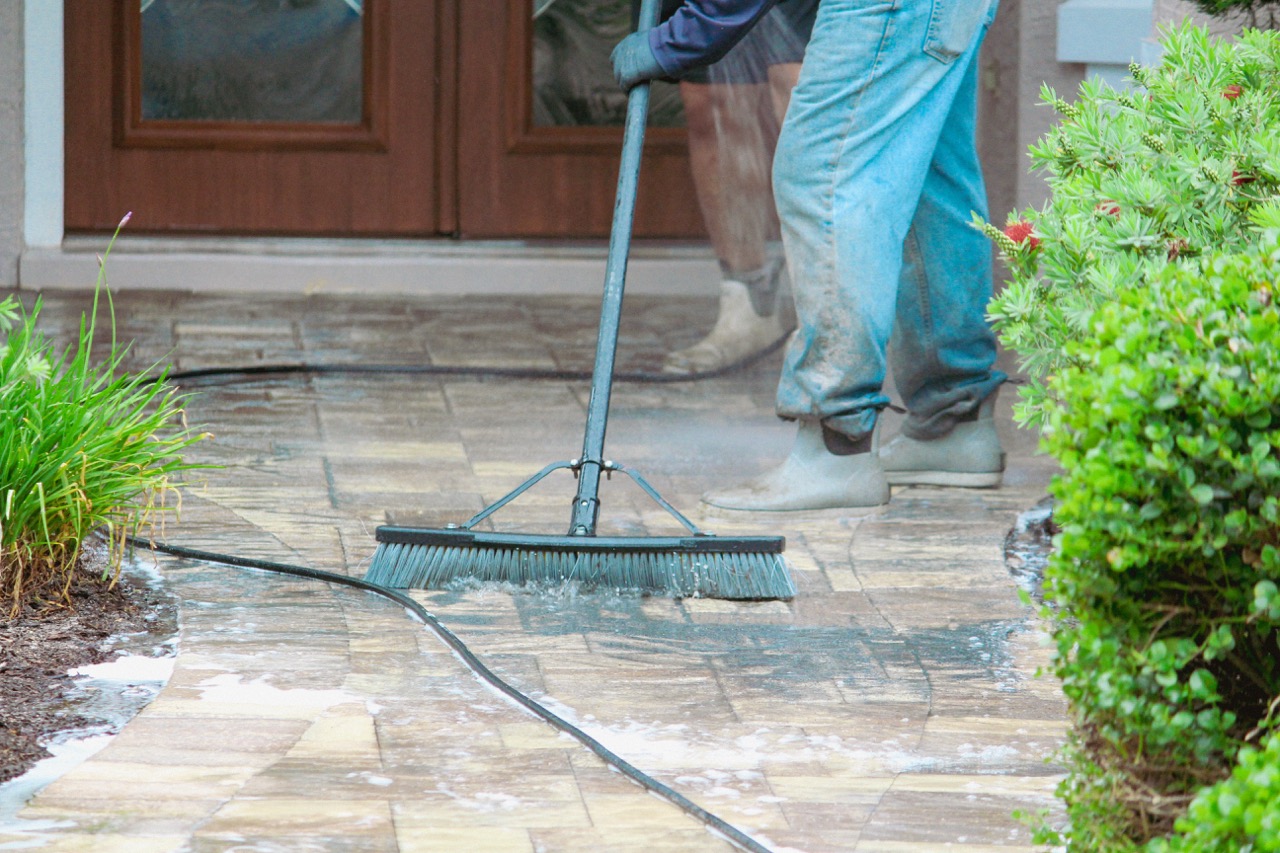
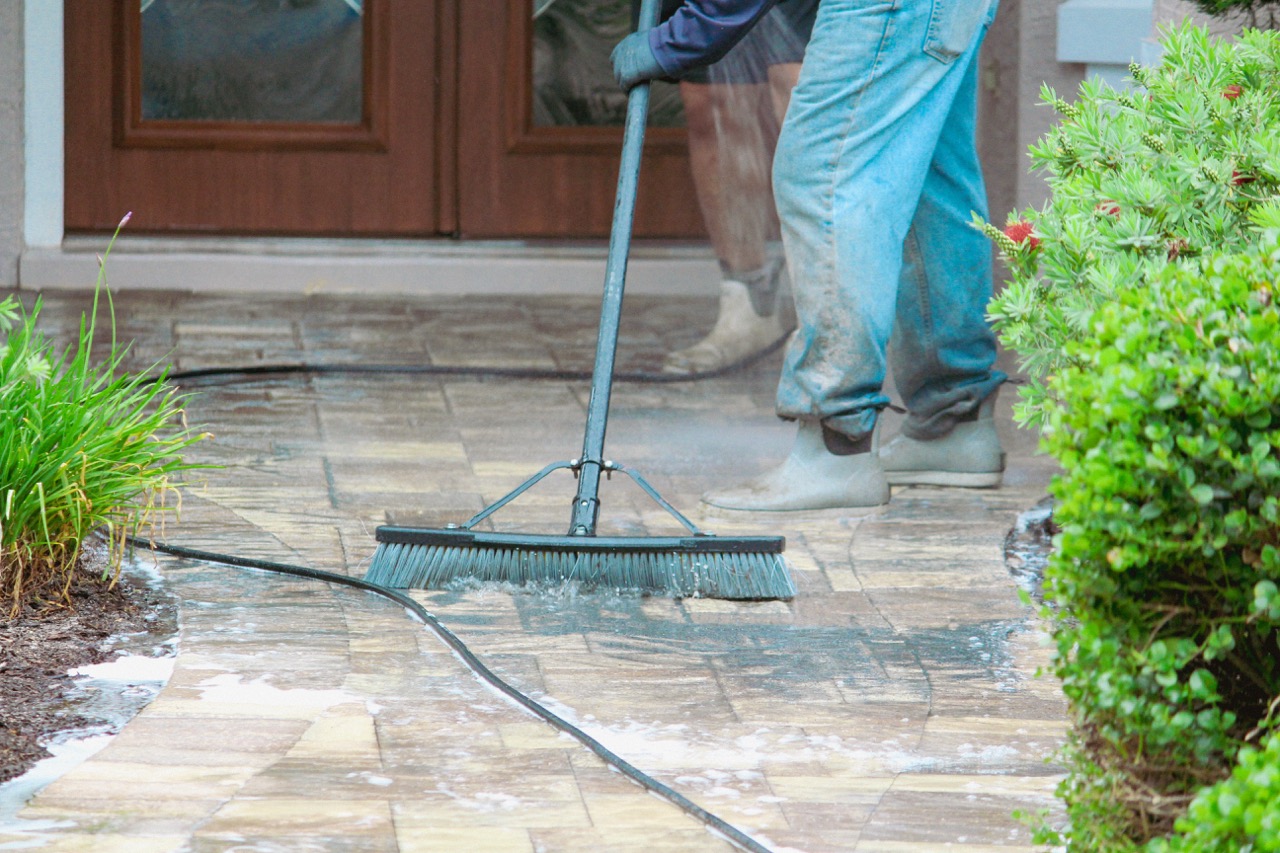
If your pavers are already a few years old, sealing is still worth doing. The condition that matters: they need to be professionally cleaned first. Sealing over dirt, algae, or mold locks those things in. What you seal is what you keep.
After the first application, plan to reseal every two to three years. Florida shortens that window compared to cooler, drier states.
Why Florida Is Hard on Unsealed Pavers
Unsealed pavers are porous. Down here, that creates three problems that build on each other over time.
UV exposure fades the surface pigment. The deep terracotta or charcoal you picked at installation drifts toward flat gray faster here than almost anywhere in the country.
Humidity and summer rain feed organic growth. Algae and mold take hold in the pores and joint sand, especially on shaded sections and pool decks. Once established, they hold moisture and spread.
Sand erosion loosens the structure. Rain and irrigation wash joint sand out over time. That invites weeds, ants, and eventually shifting or sunken pavers.
A good sealer slows all three. It blocks UV, makes the surface easier to keep clean, and with a joint-stabilizing product, hardens the sand so it stays put.
When Is It Actually Too Late?
Sealing protects and enhances pavers. It does not repair them. Cracked, badly sunken, or structurally shifting pavers need more than a sealer can offer. Deep staining from years of neglect may lighten with professional cleaning but might not disappear completely, and sealer will preserve whatever color remains underneath.
That said, most older paver surfaces in Flagler County are still good candidates. What sealing does for them: restores depth of color, stops further fading, and keeps the surface looking clean far longer between washes. If a surface is too far gone to benefit, we'll say so before any work starts.
Timing Within the Year Also Matters
Sealer needs dry pavers and a clear forecast to cure properly. Florida's rainy season runs June through September, and afternoon storms make scheduling tighter in summer, though not impossible. Spring and fall give you the most reliable conditions. If your pavers need attention now, the right move is a professional paver cleaning followed by sealing on the next stretch of dry days, and we schedule around the forecast.
Start With an Honest Assessment
Before quoting a sealing job, we look at the condition of the surface, the joint sand, and any existing growth or staining. Then we tell you what sealing will and won't do for your specific pavers. No upsell on work that won't make a real difference.
Request a free quote from SprayTech Power Wash. A portion of every job goes toward Blind Soccer Nation and the U.S. Paralympic Blind Soccer Team, so your pool deck or driveway gets taken care of and something bigger gets supported too.